
- About Us
-
Medicines under development
- SB-REG-KMAS – stem cells in the treatment of mastitis in cows
- SB-REG-CORTO – innovative cell therapy for osteoarthritis in dogs
- SB-REG-HORTO – stem cell therapy for horses
- SB-REG-CSKIN – cell therapy for dogs and cats with atopic dermatitis
- SB-REG-FKIDNEY – cell therapy for kidneys
- SB-REG-CDM – stem cell therapy in canine neurology
- SB-REG-HMILA – ILA-1 biological therapy for horses and dogs
- Therapies
- Treatment of animals
- Our R&D
- Contact
- Home
- > weterynaria
- > Dogs: therapy overview
- > Dogs: Periodontal disease in dogs – modern biological therapies
Periodontitis in dogs
– effective treatment and supportive therapies
Introduction
Periodontitis in dogs is one of the most common oral diseases, affecting up to 70–80% of dogs over 3 years of age. It develops as a result of plaque and tartar buildup, which leads to chronic inflammation of the gums and tissues supporting the teeth. If left untreated, it can result in tooth loss and affect the animal's overall health (including the heart, kidneys, and liver).
Symptoms of periodontitis
- unpleasant odor from the mouth (halitosis),
- reddened and bleeding gums,
- pain when eating, reluctance to chew hard food,
- looseness or loss of teeth,
- drooling, swelling of the mouth, and in more severe cases, nasopharyngeal fistulas.
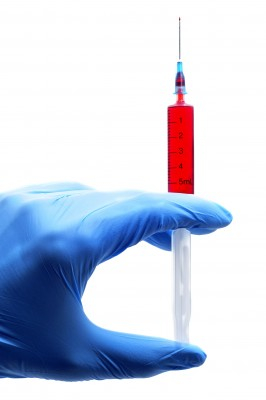
Standard treatment
The basis of the therapy is oral sanitation – removal of tartar and plaque under general anesthesia. Depending on the severity, tooth extractions, antibiotic therapy, and specialized dental preparations are also used. Conventional treatment focuses on eliminating the mechanical and infectious causes.
Modern biological therapies
PRP – platelet-rich plasma
PRP applied topically to the gums supports healing and reduces inflammation. It accelerates periodontal regeneration, stimulates angiogenesis, and promotes soft tissue repair.
Mesenchymal stem cells (MSC)
MSCs have the ability to regenerate periodontal tissues through trophic and immunomodulatory effects. They can support alveolar bone reconstruction and improve tooth stability in patients with more severe forms of the disease.
👉 Check out how mesenchymal cells work
Therapy IL-1
In chronic and recurrent inflammatory conditions, modulation of the interleukin-1 pathway limits the inflammatory process and reduces pain. IL-1 is used as a supportive therapy in dogs with aggressive periodontal disease.
👉 Learn more about IL-1 pain therapy and treatment
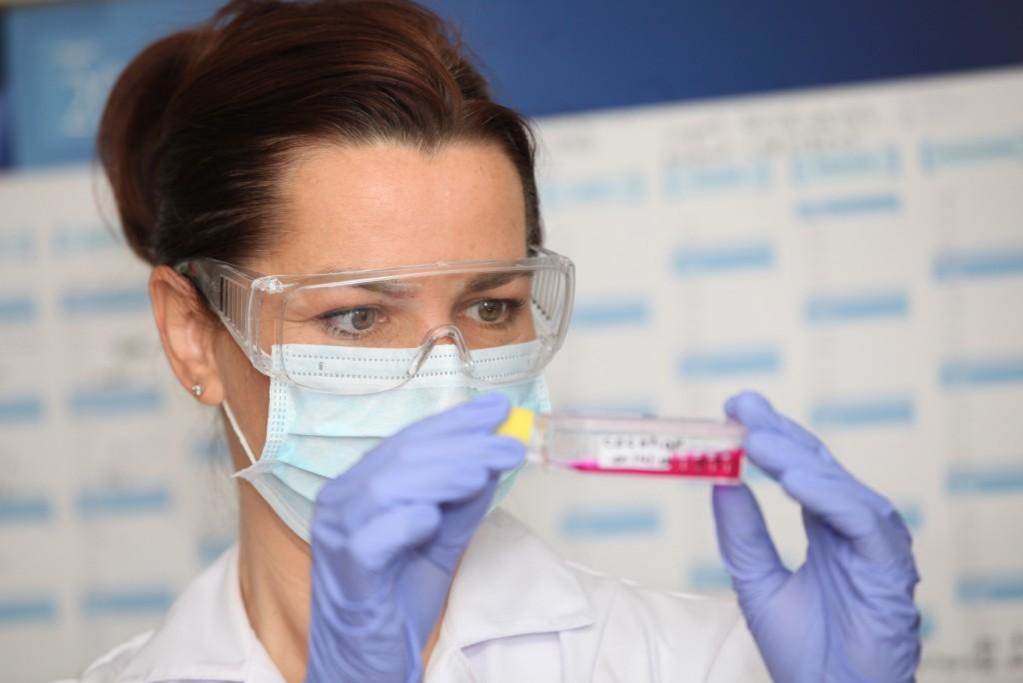
Approach depending on the stage of the disease
Stage 1 – early gingivitis: hygiene treatment, PRP for faster healing.
Stage 2 – advanced periodontitis: MSC as a method supporting the regeneration of lost tissue.
Stage 3 – chronic, recurrent inflammation: IL-1 as a supplement to therapy and pain reduction.
Summary
Periodontitis in dogs is a chronic disease that leads to serious complications if left untreated. Standard dental treatment is essential, but modern biological therapies—PRP, MSC, and IL-1—allow for more effective reduction of inflammation, alleviation of pain, and support of periodontal tissue regeneration in a manner that significantly surpasses currently available pharmacotherapy. Thanks to biological therapies, your dog can recover.
FAQ
In the early stages, yes – thanks to hygiene and supportive therapies. In advanced cases, stem cells can improve the animal's condition. It is also important to reduce the animal's pain by using IL-1.
No—PRP supports healing, but it does not remove the mechanical cause, i.e., tartar and plaque.
For now, in selected cases – with severe damage to periodontal tissues
Regular brushing of teeth, use of dental chews, preventive hygiene at the veterinary clinic.