- About Us
-
Medicines under development
- SB-REG-KMAS – stem cells in the treatment of mastitis in cows
- SB-REG-CORTO – innovative cell therapy for osteoarthritis in dogs
- SB-REG-HORTO – stem cell therapy for horses
- SB-REG-CSKIN – cell therapy for dogs and cats with atopic dermatitis
- SB-REG-FKIDNEY – cell therapy for kidneys
- SB-REG-CDM – stem cell therapy in canine neurology
- SB-REG-HMILA – ILA-1 biological therapy for horses and dogs
- Therapies
- Treatment of animals
- Our R&D
- Contact
- Home
- > Technologies: platelet-rich plasma (PRP)
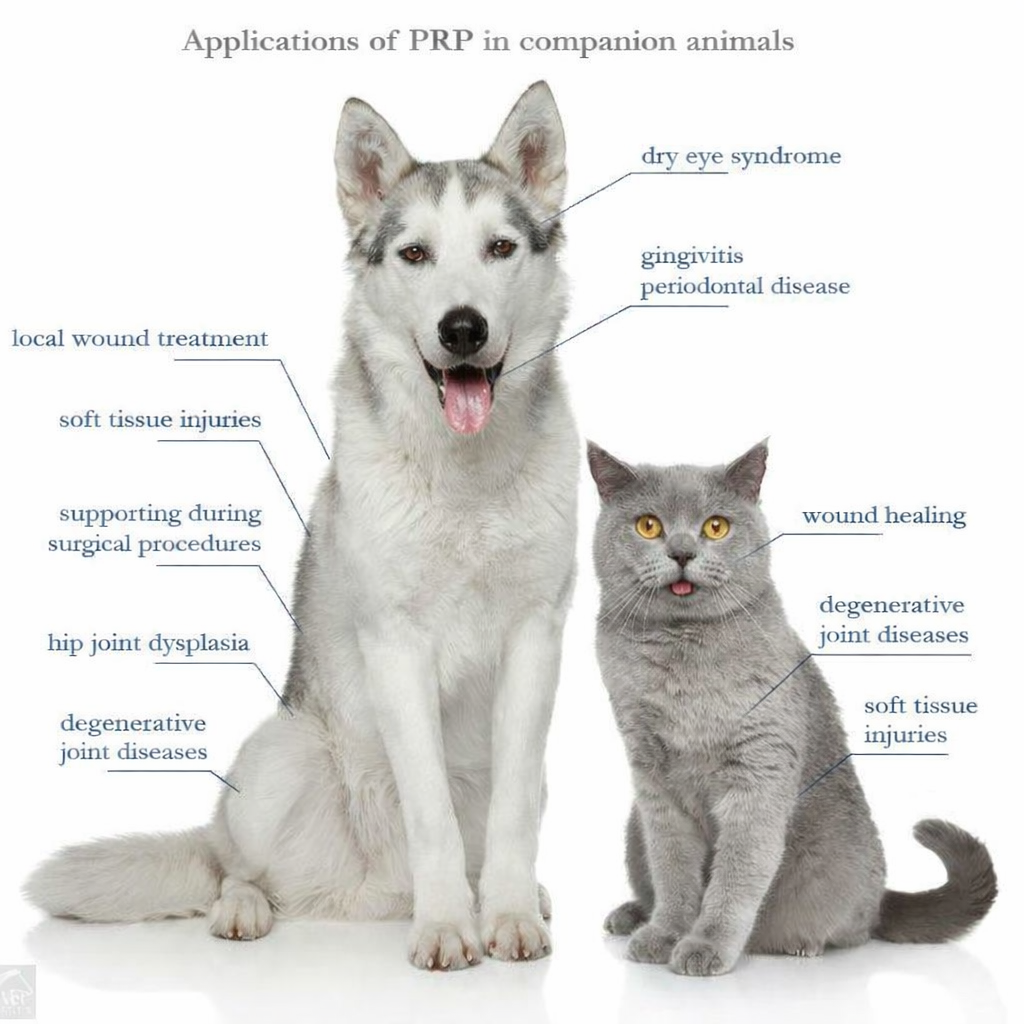
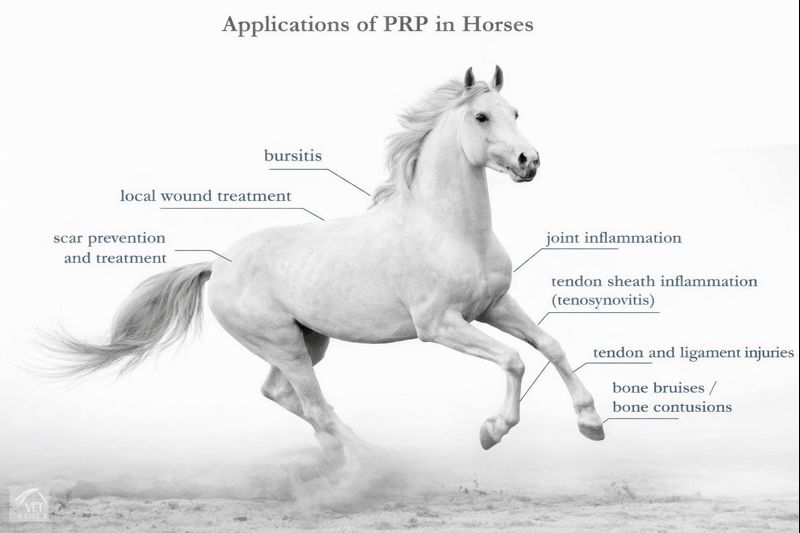
Platelet-rich plasma (PRP) is autologous blood preparation that has found wide application in regenerative medicine in recent years, including in veterinary medicine. It contains an increased concentration of platelets in a small volume of plasma, and its action is based on the release of growth factors and cytokines that stimulate repair processes in tissues. In veterinary practice, PRP is mainly used in dogs, cats and horses, especially in the treatment of musculoskeletal injuries, tendon, ligament and joint diseases.
How is platelet-rich plasma produced?
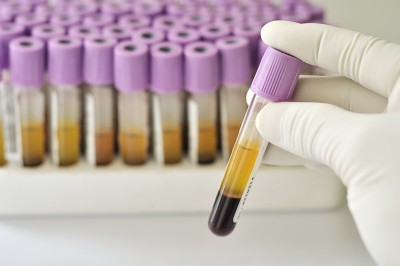
The PRP preparation process involves collecting blood from the animal and then centrifuging it under special conditions to separate the platelet-rich fraction from other components.
The resulting concentrate contains several times higher platelet concentration than whole blood. After activation with thrombin, platelets release numerous growth factors, such as PDGF (platelet-derived growth factor), TGF-β(transforming growth factor), VEGF (vascular endothelial growth factor) and IGF-1 (insulin-like growth factor). These substances stimulate fibroblast proliferation, angiogenesis and collagen synthesis, which accelerates the regeneration of damaged tissues.
The use of PRP in veterinary medicine
Orthopaedics
In veterinary orthopaedics, PRP is primarily used to treat tendinopathy and ligament injuries, such as the superficial flexor tendon in horses or the anterior cruciate ligament in dogs. PRP injections into the damaged area support natural healing processes, reducing inflammation and improving tissue elasticity and strength. In the case of osteoarthritis, intra-articular PRP has anti-inflammatory and chondroprotective effects, improving comfort of movement and reducing the need for pain medication.
Advantages of PRP therapy
The advantage of PRP therapy is its safety – because the preparation comes from the blood of the same individual, the risk of immune reactions or infections is minimal. In addition, the procedure is relatively simple and can be performed in clinical conditions. It is increasingly being combined with other biological therapies, such as stem cells or hyaluronic acid, to achieve a synergistic effect in tissue regeneration.
In equine medicine, PRP preparations are also used to treat wounds, ulcers and skin damage, where they accelerate granulation and epithelialisation. In orthopaedic cases, recovery time is shortened and animals return to training more quickly. In small animals, especially sporting dogs, PRP is used in the treatment of joint and post-traumatic conditions, often as a supplement to rehabilitation and physiotherapy.
Research prospects
Although the effectiveness of PRP has been widely confirmed in clinical trials, work is still ongoing to standardise the methods of preparation and administration of the preparation. It is important to note that different centrifugation and activation protocols can affect the composition and effectiveness of the plasma. Despite these limitations, PRP therapy is currently considered one of the most effective and least invasive methods of supporting tissue regeneration in veterinary medicine.
Summary
Platelet-rich plasma is a valuable tool in the treatment of musculoskeletal disorders and soft tissue regeneration in animals. Thanks to its autologous origin, simplicity of application and proven effectiveness, PRP is part of modern regenerative medicine, offering a safe and effective alternative to traditional treatment methods.
👉 See also: